
Brawl Stars esports teams: Top Rosters and Tournament Records
Brawl Stars esports teams compete across regional monthly finals, the Last Chance Qualifier, and the World Finals. Leading rosters like Crazy Raccoon, HMBLE, ZETA DIVISION, and Team Heretics define the competitive circuit through specialized drafting, lane control, and international LAN achievements.
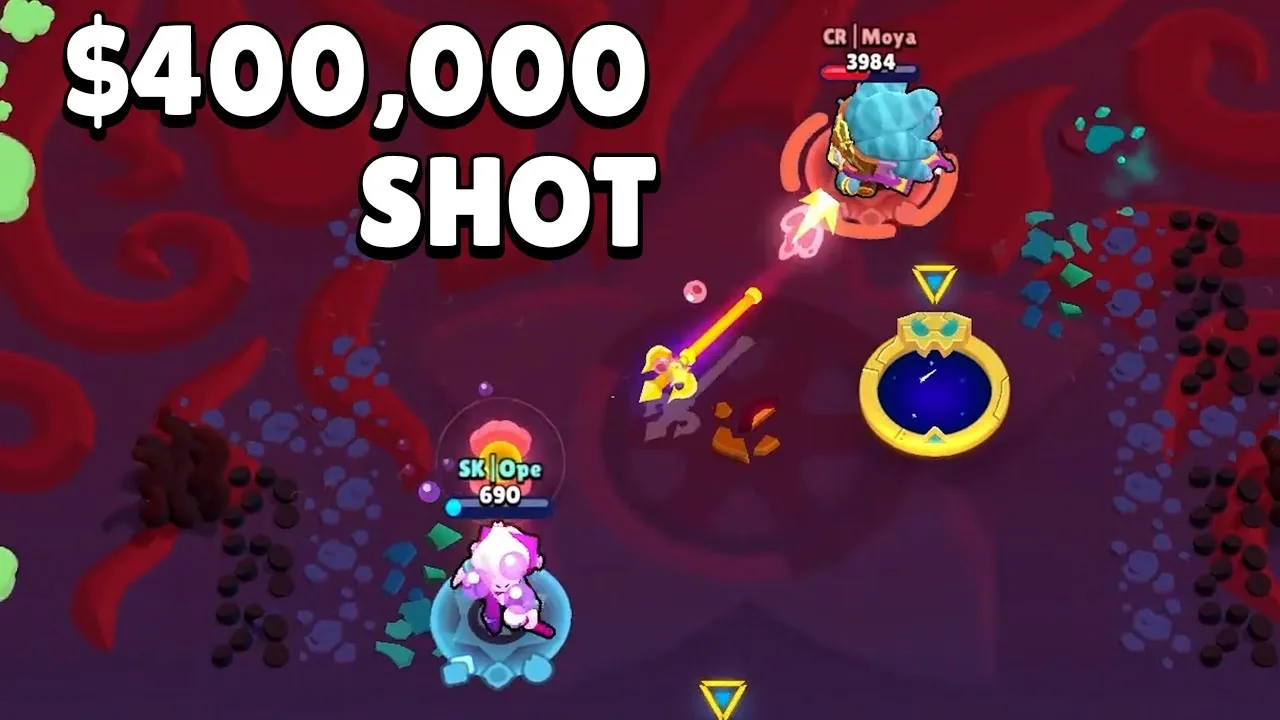
Brawl Stars esports teams compete across regional monthly finals, the Last Chance Qualifier, and the World Finals. Leading rosters like Crazy Raccoon, HMBLE, ZETA DIVISION, and Team Heretics define the competitive circuit through specialized drafting, lane control, and international LAN achievements.
International Title Contenders and Champions
At the highest tier of tournament play, established organizations maintain consistent international placements through coordinated micro-mechanics and lane assignments.
Crazy Raccoon stands among the most decorated squads in the modern competitive era. The roster of Tensai, Moya, and Milkreo secured international trophies, including clean sweeps in World Finals competition against rival finalists. Tensai regularly controls side lanes with brawlers such as Brock, Colt, and Belle, while Moya provides frontline presence and safe damage on picks like Lola and Draco. Their gameplay centers on disciplined positioning, avoiding reckless dives and capitalizing on opponent mistakes during overtime phases.
HMBLE features the experienced trio of Symantec, Boss, and Lukie. As 2024 champions and Brawl Cup titleholders, HMBLE relies on coordinated frontline sustain. Boss provides mid control with tanks and support brawlers such as Draco and Berry, allowing Symantec to make calculated entries on Chester or Cordelius. Lukie secures side-lane pressure with Byron, Ruff, or Charlie, applying consistent chip damage while building team healing. Their international record includes consecutive top-two finishes across multiple major LAN events.
ZETA DIVISION represents an enduring dynasty within the East Asia circuit. While their active lineup has rotated between talents such as Sitetampo, Kenji, and Muego Gucci to rosters featuring Sizuku, Batman, and Damian, the team retains an aggressive identity. Sitetampo built an undefeated set record on Carl during major knockout series, utilizing Flying Hook for instant gap-closing takedowns. Their teams consistently force tempo advantages in modes like Gem Grab and Hot Zone by restricting enemy movement with Incendiary pools and Otis mutes. These accomplishments solidify their standing among celebrated world champions.
Tactical Archetypes Across Top Rosters
The table below outlines four established competitive teams, their tactical strengths, and the specific trade-offs inherent to their gameplay approach:
| Team | Playstyle Focus | Strategic Trade-Off |
|---|---|---|
| Crazy Raccoon | Mid-range lane control and defensive zoning | Slower objective cracking speed in early Heist phases |
| HMBLE | Sustain-heavy frontline pushing with tank pairings | High vulnerability if support healers fall early in a push |
| KDS Esports | Rapid dive aggression and physical frontline brawlers | High risk of feeding enemy hypercharge against long-range sharpshooters |
| Team Heretics | Choke-point denial through silence and shield utility | Low comeback potential if opponent wall breaks open the lanes |
Regional Powerhouses and Circuit Challengers
Regional leagues produce varied team structures, ranging from multi-year veteran rosters to fast-rising challenger squads.
In North America, KDS Esports established a prominent tournament profile with Bobby, Sans, and Ducky. The roster frequently challenges opponents with high-health frontline picks like Frank, Surge, and Maisie. Bobby operates as the primary initiator in modes like Brawl Ball, while Ducky uses agile brawlers to convert sideline pressure into fast scores. During their LCQ 2026 matches against opponents such as Loud and Team Heretics, KDS relied on rapid resets and physical presence around the goal line to extend series to decisive rounds.
Team Electrify emerged in North America as an all-rookie lineup consisting of Doyin, Snoy, and Memen. Defying the standard regional formula of blending veterans with new players, Electrify won three monthly finals during their debut season. The team defeated established regional leaders like Tribe Gaming and Vattic by executing sharp counter-attacks in Brawl Ball and Knockout, locking in early World Finals qualification.
In the EMEA region, SK Gaming remains a premier competitor. Built around Yoshi and OPE, SK Gaming incorporates calculated lane rotations, deploying Pam healing turrets and Squeak residue fields to lock down objectives in Gem Grab and Hot Zone. Team Heretics, fielding Marco, IChaos, and Sabame, showcases structured pacing. IChaos uses Otis to shut down enemy tank super activations, while Marco secures mid-lane control with long-range support to protect lead margins.
Underdog stories also shape the competitive ecosystem. Foot Freezone, originally competing as Foot Academy with Farissa, De Master, and Xerox, emerged from the Turkish Challengers Gauntlet. By defeating Revenant XSpark and SK Gaming in decisive tiebreakers, the Turkish squad secured entry into higher-tier international qualifiers. Their sister organization, Foot Esports, showcased international caliber at the Brawl Cup, where Angelboy, Nob, and Lenao challenged HMBLE in a five-set grand final. These shifting dynamics heavily influence match predictions across upcoming championship predictions.
Drafting Tendencies in Tournament Modes
High-stakes matches frequently hinge on draft preparation and targeted bans. Teams study opposing player comfort picks to force inefficient compositions during the preparation phase.
In Heist, top squads prioritize brawlers that deliver direct damage while maintaining lane control. Teams facing HMBLE frequently ban or contest Colette and Chuck, while teams facing Crazy Raccoon prepare counter-picks against Tensai's mid-range sharpshooters. When drafting for modes like Gem Grab and Hot Zone, squads prioritize brawlers offering area denial, such as Gene, Gus, and Sandy. Understanding the mechanical interactions outlined in a competitive draft framework often determines whether an aggressive frontline can break through structured defensive lines.
Brawl Ball highlights the distinction between dive compositions and zoning setups. Rosters like KDS Esports favor hypercharge initiators to break open goal walls early, whereas European squads like Team Heretics rely on Gus shields and Otis mutes to stop ball carriers before they enter shooting range. Mastery of these situational compositions separates qualifying teams from squads eliminated in regional brackets.
Next step
LCQ 2026
Explore the format, team rosters, and full match progression that decided qualification at the Brawl Stars Last Chance Qualifier 2026.
Related Guides
World Finals 2026
Learn everything about the Brawl Stars World Finals 2026, including Tokyo dates, the 12-team tournament format, regional seeds, and prize splits.
Championship 2026
Track qualification stages, competitive formats, LAN events, and official broadcast rewards across the entire 2026 tournament circuit.